Canva Video Watermark Removal: Two Watermark Lines, One $1 Fix (2026)
Canva watermarks videos two ways: a $1-per-element license preview and AI outputs under C2PA terms. Pricing, official language, and tool claims, checked.
Mark Ma is the founder and lead engineer at UnMark, where he leads the development of AI-powered video watermark removal technology. With over a decade of experience in computer vision, deep learning, and video processing, he has built production systems that process millions of frames per month across TikTok, Instagram Reels, and Google Veo content. His technical work focuses on motion-compensated watermark detection, spatial-temporal inpainting, and quality-preserving reconstruction for short-form vertical video. Before UnMark, Mark shipped computer vision infrastructure at scale for content moderation and ad compliance platforms. He writes this blog to document the real engineering, testing, and regulatory reasoning behind UnMark's processing pipeline — every test result, frame analysis, and benchmark published here is reproduced from actual production data, not synthetic examples. His goal is to give creators, brands, and regulators a verifiable technical reference for AI video watermark removal in 2026.

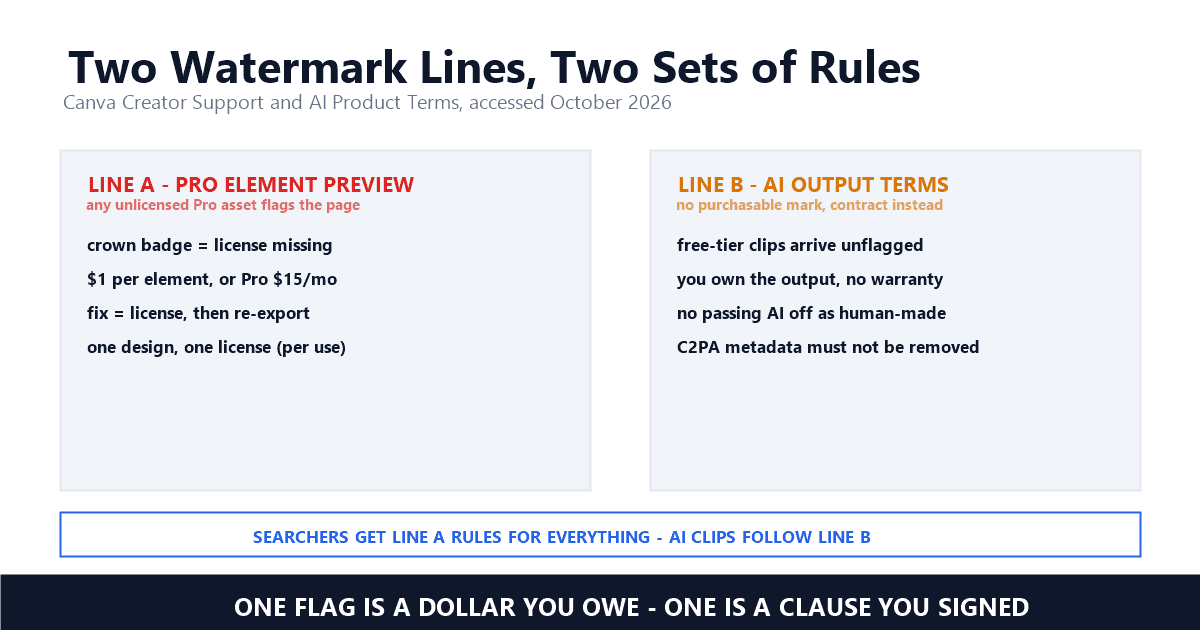
Canva watermarks videos two ways: a $1-per-element license preview and AI outputs under C2PA terms. Pricing, official language, and tool claims, checked.

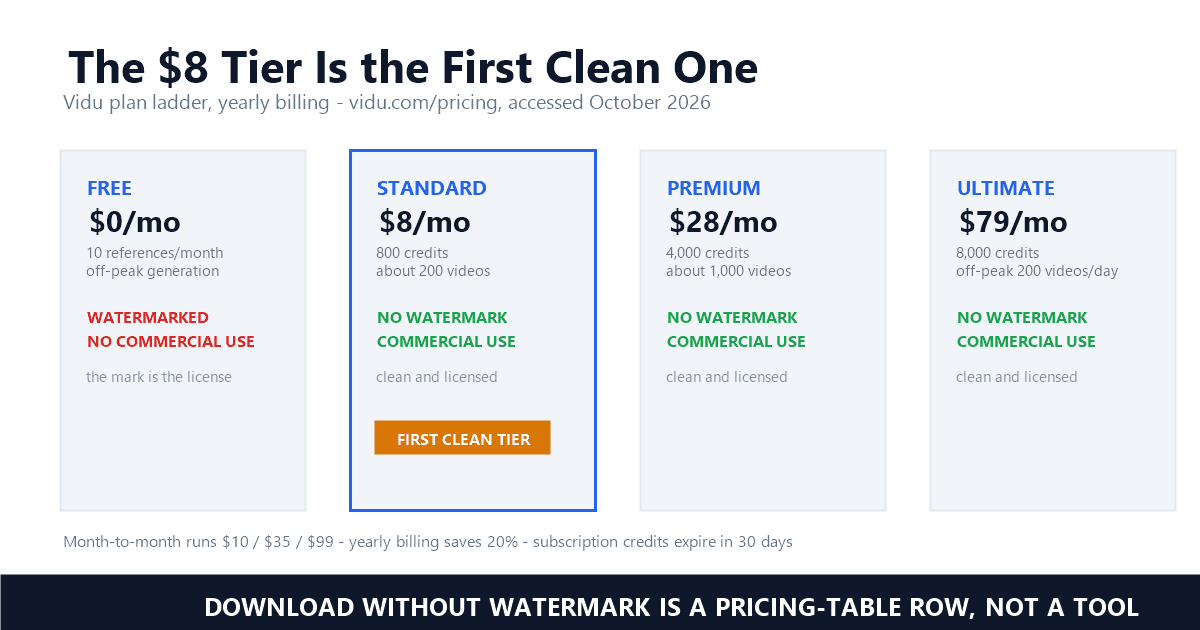
Vidu ships an official watermark remover for owned media, yet the mark on free-plan exports comes off only at Standard — $8 a month on yearly billing.

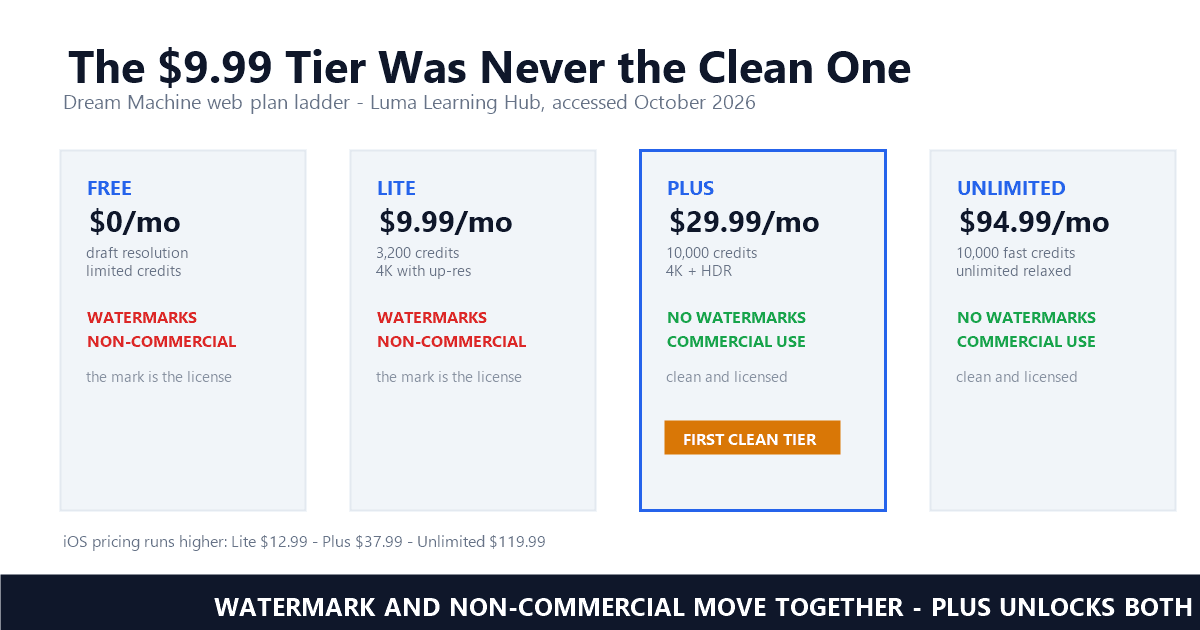
Luma's own plan pages settle it: $9.99 Lite still ships watermarks; Plus $29.99 is the first clean tier, and the license attaches at generation time.

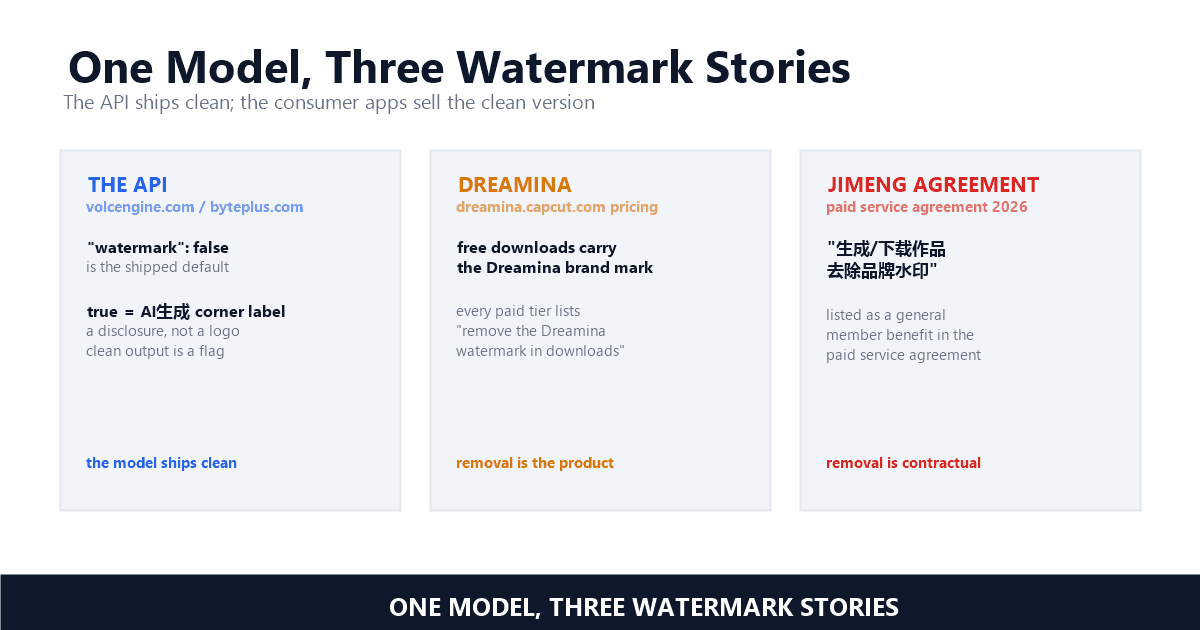
Seedance's API ships no watermark by default; Dreamina and Jimeng stamp free downloads and sell the removal. What the official documents actually say.

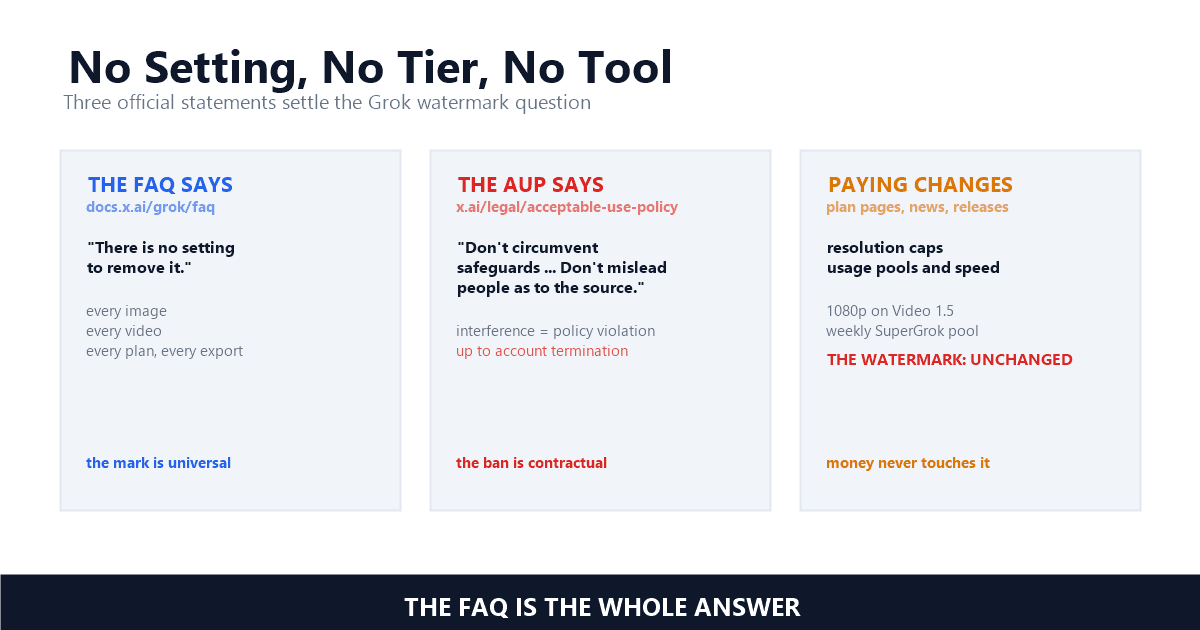
Every Grok Imagine video and image ships with a watermark xAI says cannot be removed — not by paying, not by tools. Here is what the policy actually says.

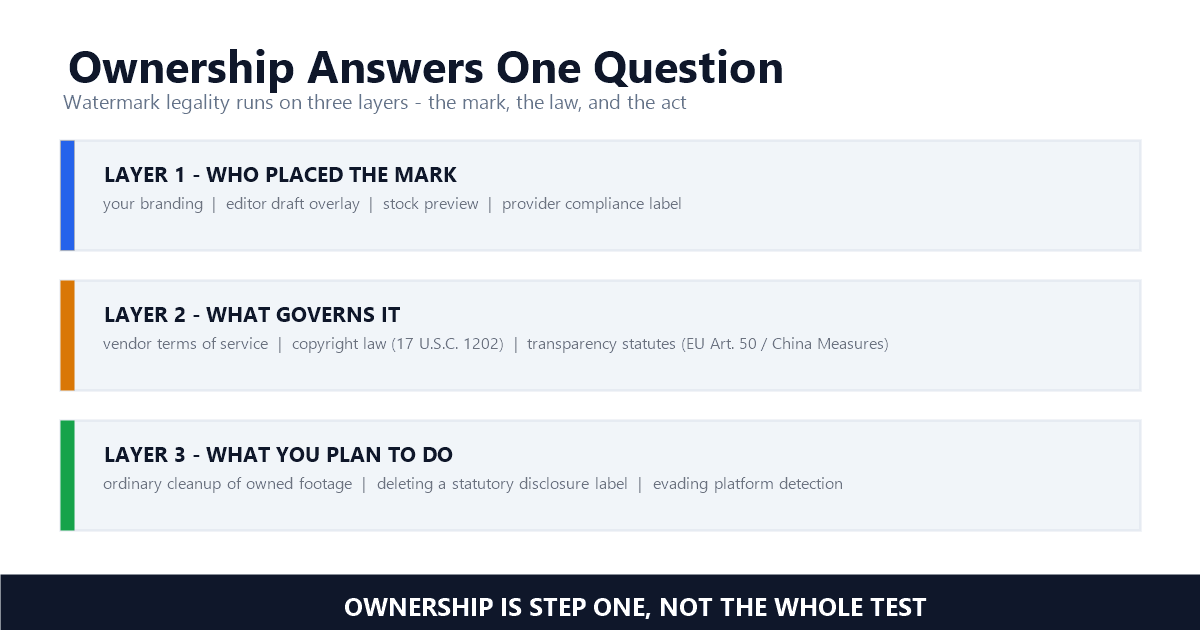
Ownership is only the first question. Three legal regimes and the vendor's terms decide the rest — here is the four-step check creators actually need.

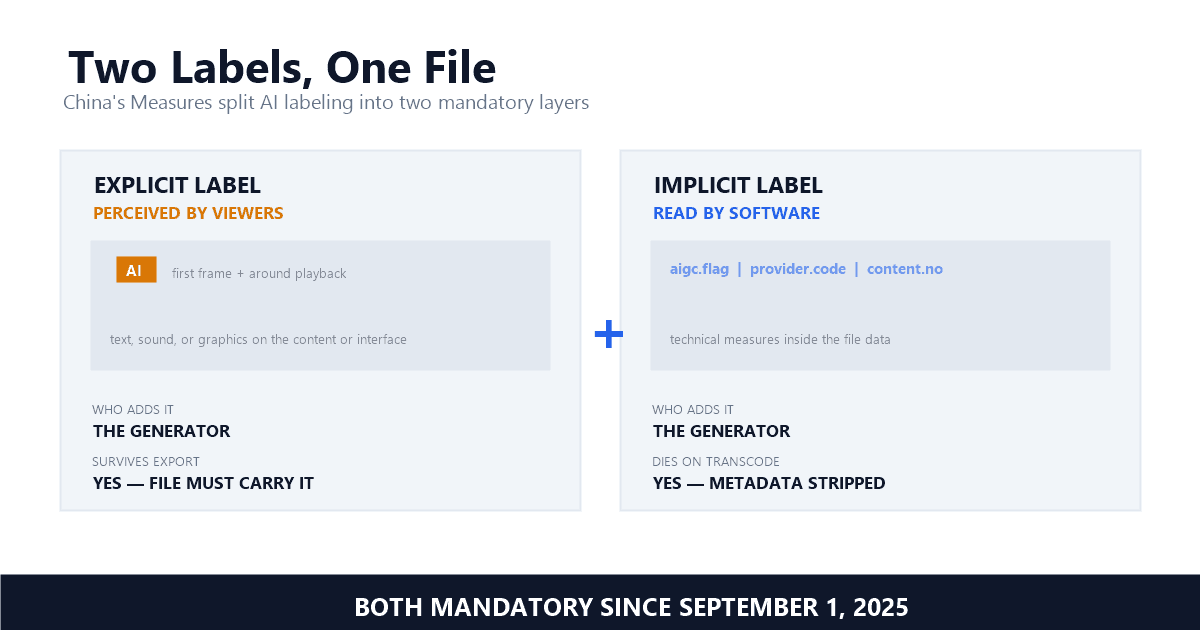
The CAC's labeling Measures made China the strictest AI labeling jurisdiction — with a removal ban that names tools, and a legal no-label channel.

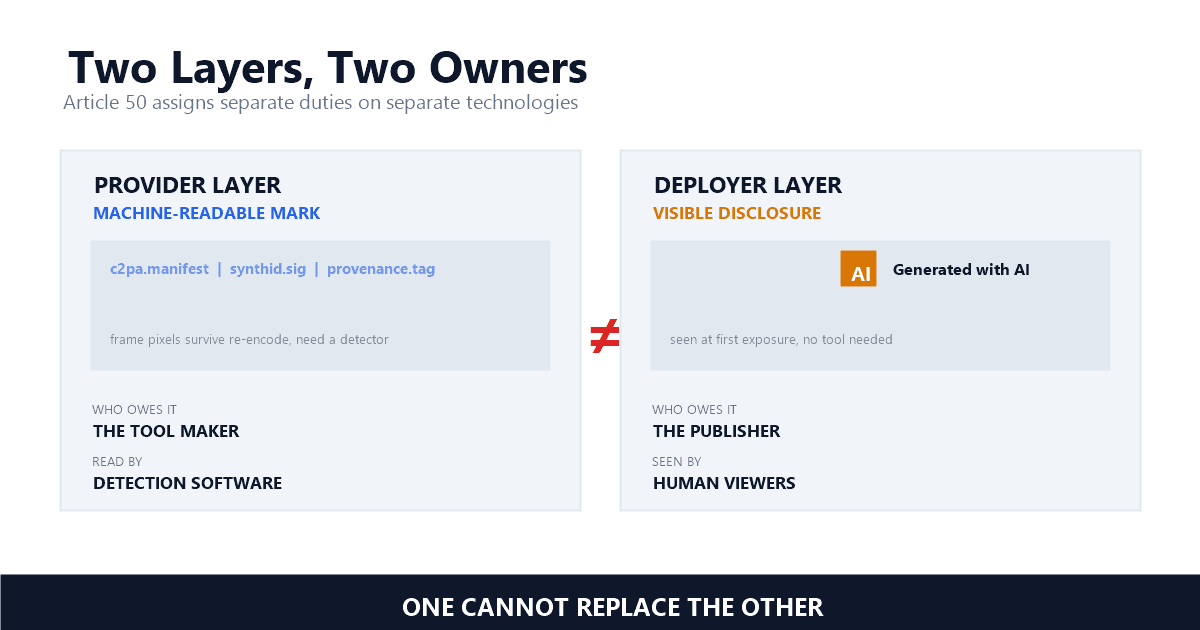
Article 50 splits AI video transparency in two: the provider's invisible machine-readable mark and the deployer's visible disclosure. Here is who owes what.

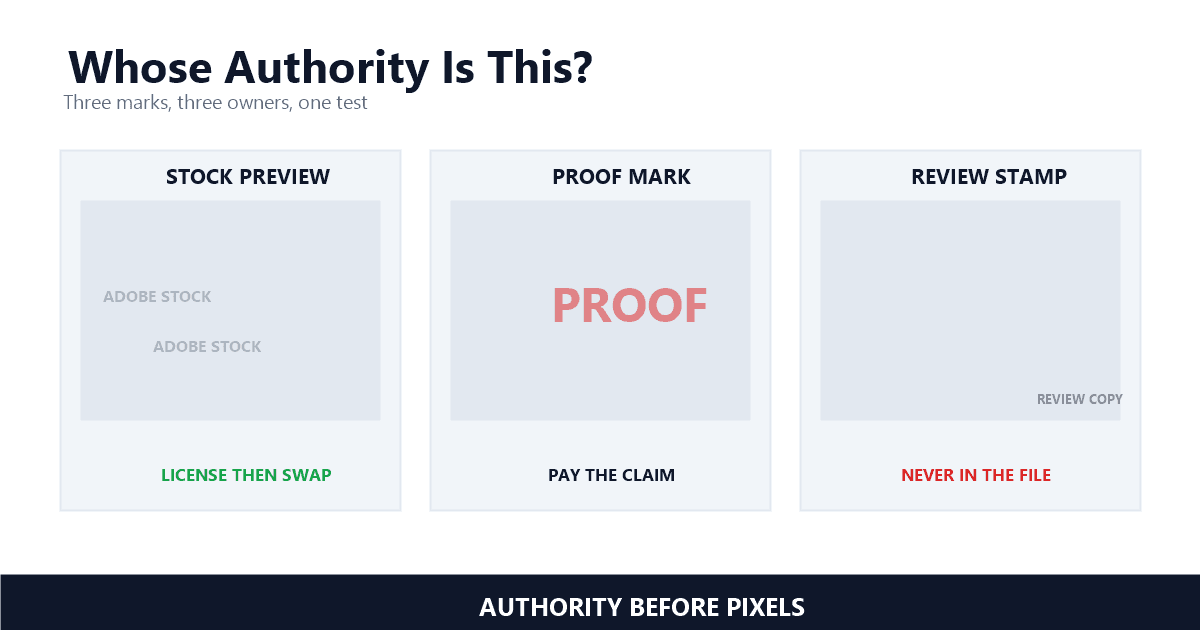
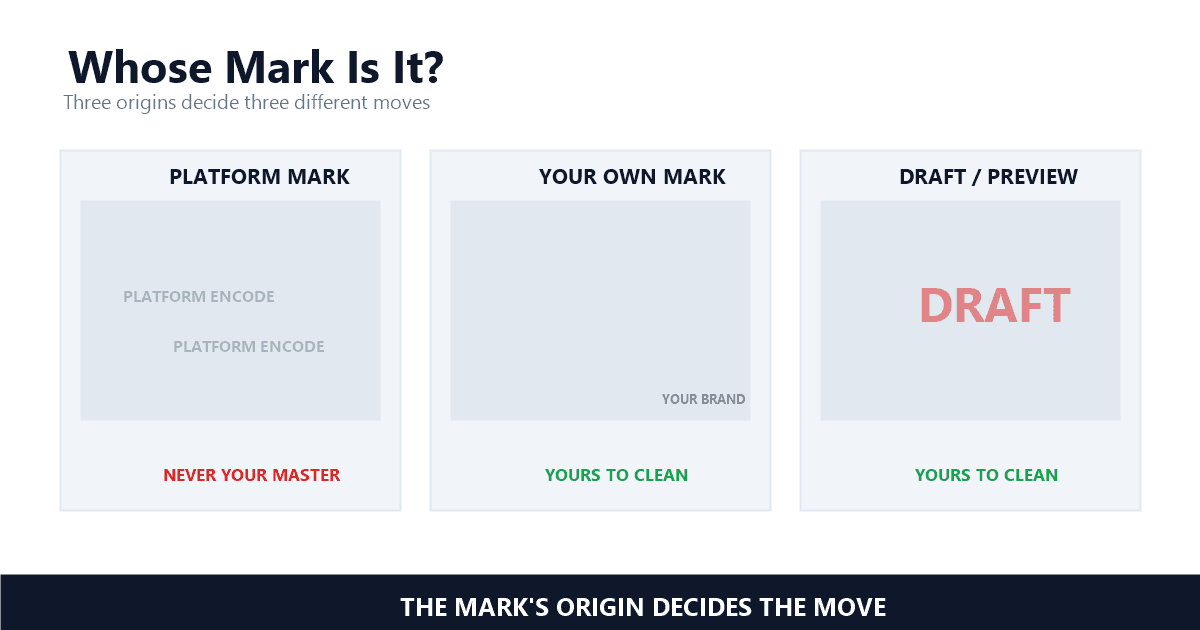
Agency video watermark removal is a rights-chain audit: stock previews become licensed masters, inherited proofs are claims, and review marks never ship.

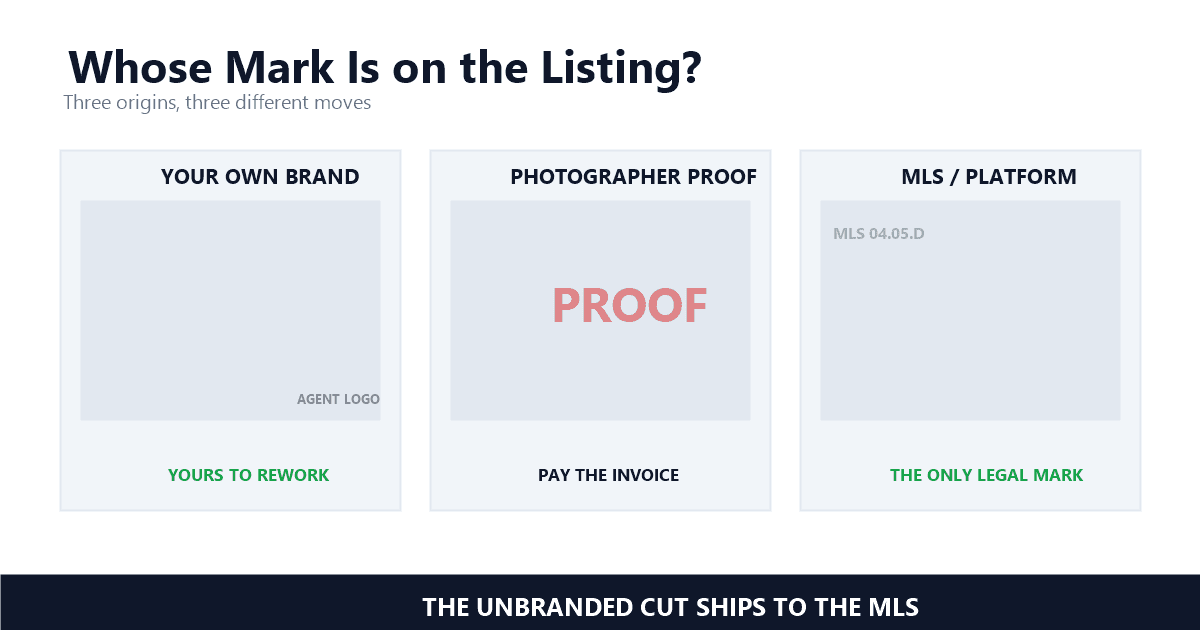
Real estate video watermark removal is mostly compliance work: MLS feeds want the unbranded cut, social wants the branded one, and the proof mark is an invoice.

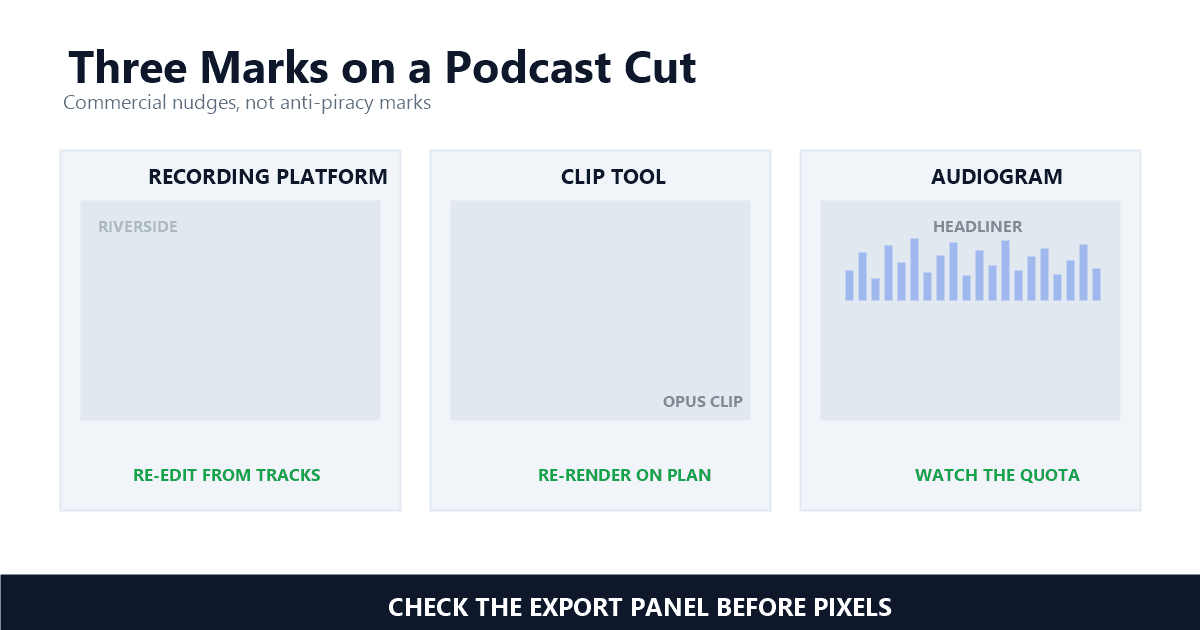
The generic tool lists miss the point: most podcast watermarks die in the export panel, and the clean master already sits on the recording platform.

The SERP sells watermark removal to course creators. The real issues run the other way: platform anti-piracy marks, your own deterrents, and the archive habit.